Splunk certifications remain a valuable credential for IT, security, and data professionals seeking to validate skills in security information and event management (SIEM), data analytics, and IT operations. As organizations continue to centralize observability and security operations, professionals who can deploy, manage, and analyze data through Splunk platforms are increasingly in demand.
With Splunk’s ecosystem evolving—especially following its integration into Cisco’s broader security and observability portfolio—certifications have become even more relevant for professionals working across hybrid, cloud, and enterprise environments.
This updated guide outlines current Splunk certifications, their role in cybersecurity and IT operations, and how professionals can leverage them for career growth in 2026 and beyond.
Understanding Splunk Certifications
Splunk certifications validate an individual’s ability to deploy, manage, and analyze machine data using Splunk products. These credentials support professionals in roles such as:
- Security analysts and SOC professionals
- IT operations engineers
- DevOps and SRE teams
- Cloud administrators
- Data analysts and engineers
Certification tracks range from entry-level user skills to specialized administration and security operations expertise.
Core Splunk Certifications
The Core track establishes foundational and advanced knowledge of Splunk’s search and analytics capabilities.
Splunk Core Certified User
Entry-level certification covering:
- Navigating Splunk interface
- Basic searches and filters
- Creating reports and dashboards
- Understanding data inputs
This certification is ideal for beginners and analysts starting with Splunk.
Splunk Core Certified Power User
Builds on fundamentals and introduces:
- Advanced search commands
- Field extraction
- Data visualization
- Dashboard customization
- Knowledge objects and data enrichment
This level is common for analysts and engineers working daily with Splunk.
Splunk Core Certified Advanced Power User
Focuses on deeper platform usage, including:
- Complex search optimization
- Data models
- Workflow automation
- Advanced reporting and analytics
This certification is suited for professionals designing and optimizing Splunk usage across teams.
Administration and Platform Certifications
These certifications validate deployment and operational expertise.
Splunk Enterprise Certified Admin
Covers administration tasks such as:
- Installing and configuring Splunk environments
- Managing users and roles
- Data onboarding and indexing
- Cluster management and scaling
This is essential for Splunk administrators and infrastructure engineers.
Splunk Cloud Certified Admin
Targets professionals managing Splunk Cloud deployments, focusing on:
- Cloud configuration and maintenance
- Data ingestion optimization
- Security and access control
- Performance monitoring
Cloud adoption continues to increase demand for this certification.
Security-Focused Splunk Certifications
Security remains one of Splunk’s strongest use cases.
Splunk Enterprise Security (ES) Certified Admin
Designed for administrators managing Splunk Enterprise Security deployments, including:
- Security framework configuration
- Correlation searches
- Threat detection tuning
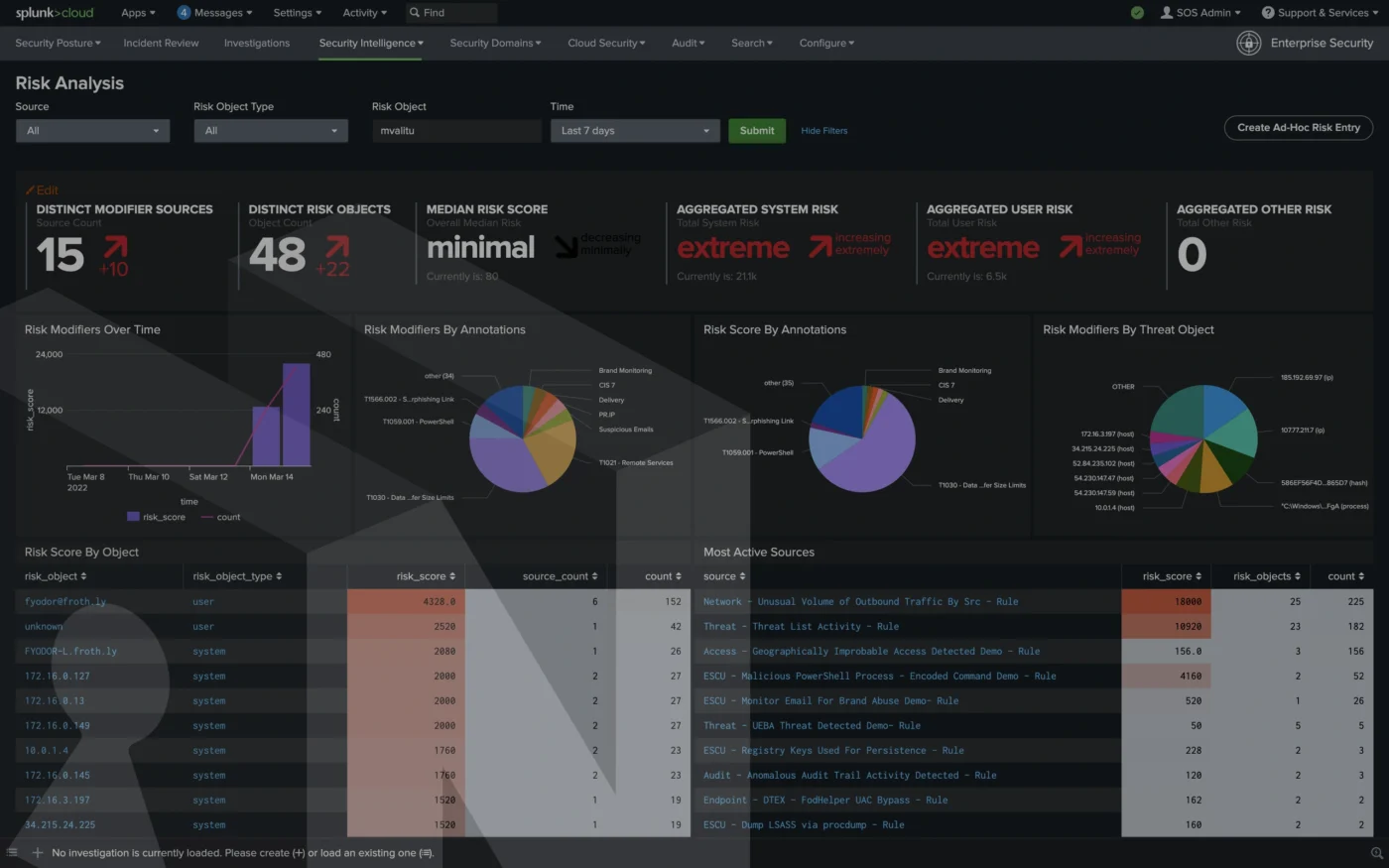
- Risk-based alerting
Splunk Enterprise Security Certified Analyst
Focused on operational security roles, including:
- Alert investigation
- Threat analysis
- Incident workflows
- Security dashboard usage
Splunk Certified Cybersecurity Defense Analyst (SCDA)
This certification emphasizes:
- Threat hunting
- Detection engineering
- Security analytics
- SOC workflows
It is increasingly valued in modern SOC environments.
Other Specialized Certifications
Splunk IT Service Intelligence (ITSI) Certified Admin
Targets IT operations teams managing service performance through:
- Service monitoring
- Event correlation
- Operational analytics
- Predictive insights
Observability and DevOps Certifications
Splunk’s growing presence in observability introduces certifications around:
- Application monitoring
- Infrastructure monitoring
- APM and telemetry analysis
- DevOps integration
These certifications are increasingly relevant as security and observability converge.
The Role of Splunk in Cybersecurity and IT Operations
Splunk acts as a central analytics platform that aggregates machine data across environments, enabling organizations to:
- Detect and respond to security threats
- Monitor infrastructure and applications
- Support compliance and auditing
- Improve operational resilience
By correlating logs, metrics, and event data, Splunk enables faster decision-making across both security and operations teams.
Cybersecurity Challenges Addressed by Splunk
Log Management at Scale
Organizations generate enormous volumes of log data. Splunk enables indexing, searching, and correlation across these data sources.
Threat Detection and Hunting
Real-time analytics help security teams identify suspicious patterns before incidents escalate.
Incident Investigation and Response
Splunk assists SOC teams by correlating events, triggering alerts, and enabling forensic analysis.
Compliance and Reporting
Splunk simplifies regulatory reporting by centralizing logs and tracking system activity.
Best Practices for Using Splunk Certifications Effectively
Master Splunk Processing Language (SPL)
SPL proficiency is essential for extracting meaningful insights and optimizing searches.
Gain Hands-On Experience
Practical experience in labs or enterprise environments is critical for certification success and job readiness.
Stay Current with Platform Changes
Splunk evolves rapidly, especially as observability and security tools converge. Continuous learning is essential.
Use Certification Strategically
Certifications should align with career goals, whether in SOC operations, engineering, cloud administration, or data analytics.
Career Opportunities for Splunk-Certified Professionals
Demand remains strong for professionals skilled in Splunk environments, including roles such as:
- SOC Analyst
- Security Analyst
- Threat Intelligence Analyst
- Incident Response Analyst
- Splunk Administrator
- Splunk Engineer
- Detection Engineer
- Observability Engineer
- Cloud Security Engineer
Industries actively hiring include finance, healthcare, government, telecommunications, and large enterprises.
Outlook for Splunk Skills in 2026 and Beyond
Three trends are shaping demand:
- Security and observability platforms are merging.
- Hybrid and cloud deployments continue expanding.
- AI-assisted analytics increase reliance on centralized data platforms.
As organizations consolidate tools and invest in unified analytics platforms, professionals with Splunk expertise remain highly valuable.
Conclusion
Splunk certifications continue to be a strong career investment in 2026. They validate essential skills in cybersecurity, data analytics, and IT operations while opening doors to roles across multiple industries.
As data volumes grow and organizations demand better visibility across systems and threats, professionals capable of deploying, managing, and analyzing Splunk environments will remain in high demand.
In short, Splunk expertise remains a powerful differentiator in modern security and operations careers.